LIVE
Booking estimates this week · (916) 342-4362
HomeServicesBambooMidtown Sacramento
Commercial carpet plank tile installed in a Sacramento, CA office
SPECIALTY · Midtown Sacramento

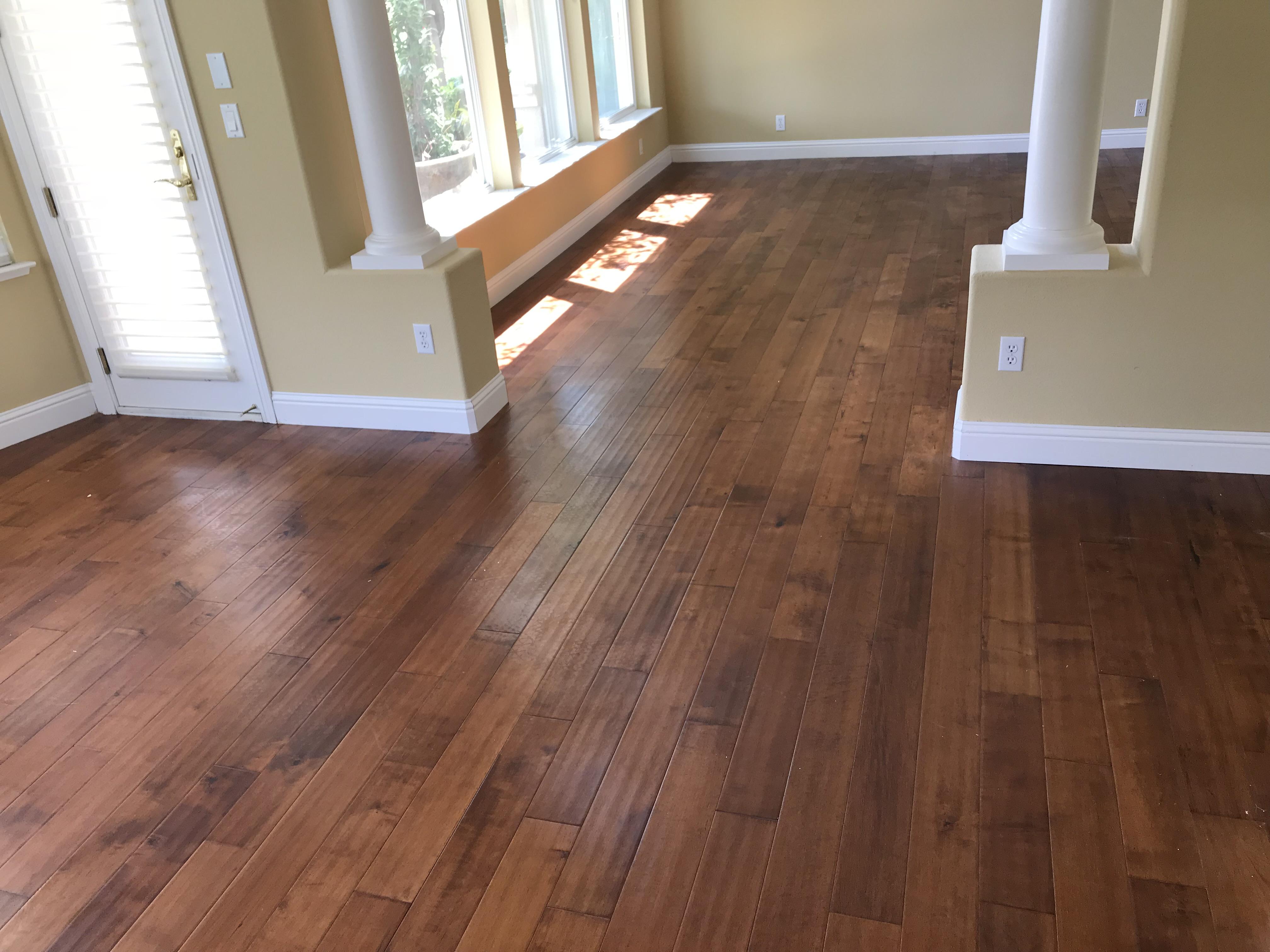
Bamboo Flooring Installation in Midtown Sacramento, CA

Midtown Sacramento's Victorian and Craftsman homes often feature original hardwood that's either damaged or beyond practical restoration—strand-woven bamboo offers homeowners a durable, eco-friendly alternative that respects the character of these historic neighborhoods while handling pets and foot traffic that century-old wood cannot. At Mak Floors, we install bamboo as a thoughtful replacement where original floors are too far gone, avoiding unnecessary removal of salvageable period details.

$7–$13 per sq ft installed
Price range
2–4 days for 1,000 sq ft
Install time
25–50 years
Lifespan
Lifetime
Warranty
Bamboo Flooring Installation in Midtown Sacramento
Free on-site quote, lifetime install warranty.
Prefer to call?(916) 342-4362

Why Bamboo Works in Midtown Sacramento

Bamboo's 3800 Janka rating makes it ideal for Midtown's busy households and pet owners, outperforming the original red oak and heart pine found in many period homes. The valley's summer heat and humidity fluctuations can stress traditional hardwood, but strand-woven bamboo's stability better resists cupping and warping—a practical advantage in Sacramento's climate where shaded Midtown streets still experience significant seasonal temperature swings.

Local installation considerations

1
Subfloor assessment in older Victorian/Craftsman homes often reveals uneven joists or settling—we verify substrate flatness and reinforce as needed before bamboo installation to prevent movement that would telegraph through the harder material.
2
Moisture barriers are critical in Midtown's older basements and ground-level spaces; we install proper underlayment to manage the valley's humidity and any legacy dampness from homes built before modern vapor control.
3
Bamboo's acoustic properties differ sharply from original hardwoods—homeowners should expect a slightly different sound underfoot in these heritage homes, which we discuss upfront to set expectations in spaces where original floor character matters aesthetically.

About Bamboo

Choose bamboo if you have dogs, kids, or heavy foot traffic—the wear surface simply outperforms standard oak and maple without the premium price tag of engineered exotic hardwoods. You get the look of rare tropical timber with real environmental credentials and a 25–50 year lifespan that justifies the $7–$13 installed cost per square foot. If durability, sustainability, and honest value matter more than following trends, bamboo is the answer.

Benefits for Midtown Sacramento homes

Extremely hard wear surface
Sustainable and rapidly renewable
Unique grain pattern
Stable across humidity
Price range
$7–$13 per sq ft installed
Lifespan
25–50 years
Install time
2–4 days for 1,000 sq ft
Warranty
Lifetime installation warranty

Free Bamboo Estimate in Midtown Sacramento

Tell us about your project. We schedule most Midtown Sacramento estimates within 48 hours.

Free, no-pressure on-site estimate
Written quote provided same visit
Lifetime installation warranty
CSLB licensed & insured
Prefer to call?
(916) 342-4362

Also Installing Bamboo In

Other Flooring Services in Midtown Sacramento

Bamboo FAQs — Midtown Sacramento

Why does strand-woven bamboo resist dents so much better than solid hardwood? +
Strand-woven bamboo is made by shredding bamboo culms, mixing them with adhesive, and pressing them under extreme heat and pressure—a process that compresses the grain into a nearly homogeneous, ultra-dense surface. This creates a Janka hardness rating up to 3800, compared to 1290 for red oak. The tighter cell structure means furniture legs and pet claws leave far fewer visible marks, and any minor dents that do occur tend to blend with the natural grain pattern rather than standing out as white gouges.
Does bamboo flooring need special subfloor preparation or acclimation time before installation? +
Yes—bamboo must acclimate for 5–7 days in the room where it will be installed, unopened in its boxes, to match the home's moisture and temperature. We verify that subfloors are flat (within 3/16" over 10 feet), dry, and structurally sound before starting. If you have radiant heating, we use moisture barriers and may recommend floating installation rather than nailed-down to allow for seasonal wood movement. Skip acclimation or install over moisture-prone slabs, and you risk buckling or cupping that no warranty covers—we don't take shortcuts on this step.
Is bamboo flooring really cheaper than engineered hardwood, or does the lower price mean lower quality? +
Bamboo costs less because bamboo is a grass crop that grows and harvests far faster than hardwood trees—there's no artificial shortage driving up price. Strand-woven bamboo is not lower quality; it's actually *harder* than most hardwoods. You're paying for material that's faster to regenerate and genuinely harder wearing, not for a budget compromise. For a 1,000 sq ft installation at $7–$13 installed, you're typically investing $7,000–$13,000 for a floor that will outlast most engineered options by decades.
How do I maintain strand-woven bamboo flooring to make it last 25–50 years? +
Bamboo is naturally stable and doesn't require exotic oils or finishes; regular dry or damp-mop cleaning with pH-neutral hardwood cleaner is sufficient. Avoid standing water and use rugs in high-traffic or moisture-prone areas (kitchens, bathrooms). Because the surface is so hard, refinishing is rarely needed—light screening and recoating after 10–15 years can extend life indefinitely, but many owners find the floor still looks near-new even after 20 years. UV exposure will gradually lighten lighter bamboo tones over time, so consider window treatments in sun-heavy rooms.
How does strand-woven bamboo perform in Sacramento's heat and humidity swings? +
Sacramento's dry summers and cooler, slightly more humid winters can cause movement in solid hardwoods, but bamboo's engineered strand-woven structure and natural lignin content make it far more stable across these temperature and moisture fluctuations. This is one reason bamboo thrives in California's climate—it resists cupping and warping better than red oak or walnut. That said, we still acclimate every installation and recommend maintaining 30–50% indoor humidity year-round (a humidifier in winter helps) to keep the floor at its optimal dimensional stability. In Placer County's higher elevations, this stability advantage is even more pronounced.