Why do some carpets develop seams that separate or become visible over time?
+
Seam separation happens when carpet isn't power-stretched properly during installation or when the seam tape isn't set correctly. Mak Floors uses power-stretching equipment (not just knee kickers) to tension the carpet and remove wrinkles before securing it to the tack strip. This ensures seams stay tight and invisible. Improper stretching leaves slack in the weave, and foot traffic gradually pulls seams apart. Our installation method locks the carpet in place so movement and humidity changes won't cause seams to gap.
What subfloor condition does carpet require, and do I need to acclimate the material before installation?
+
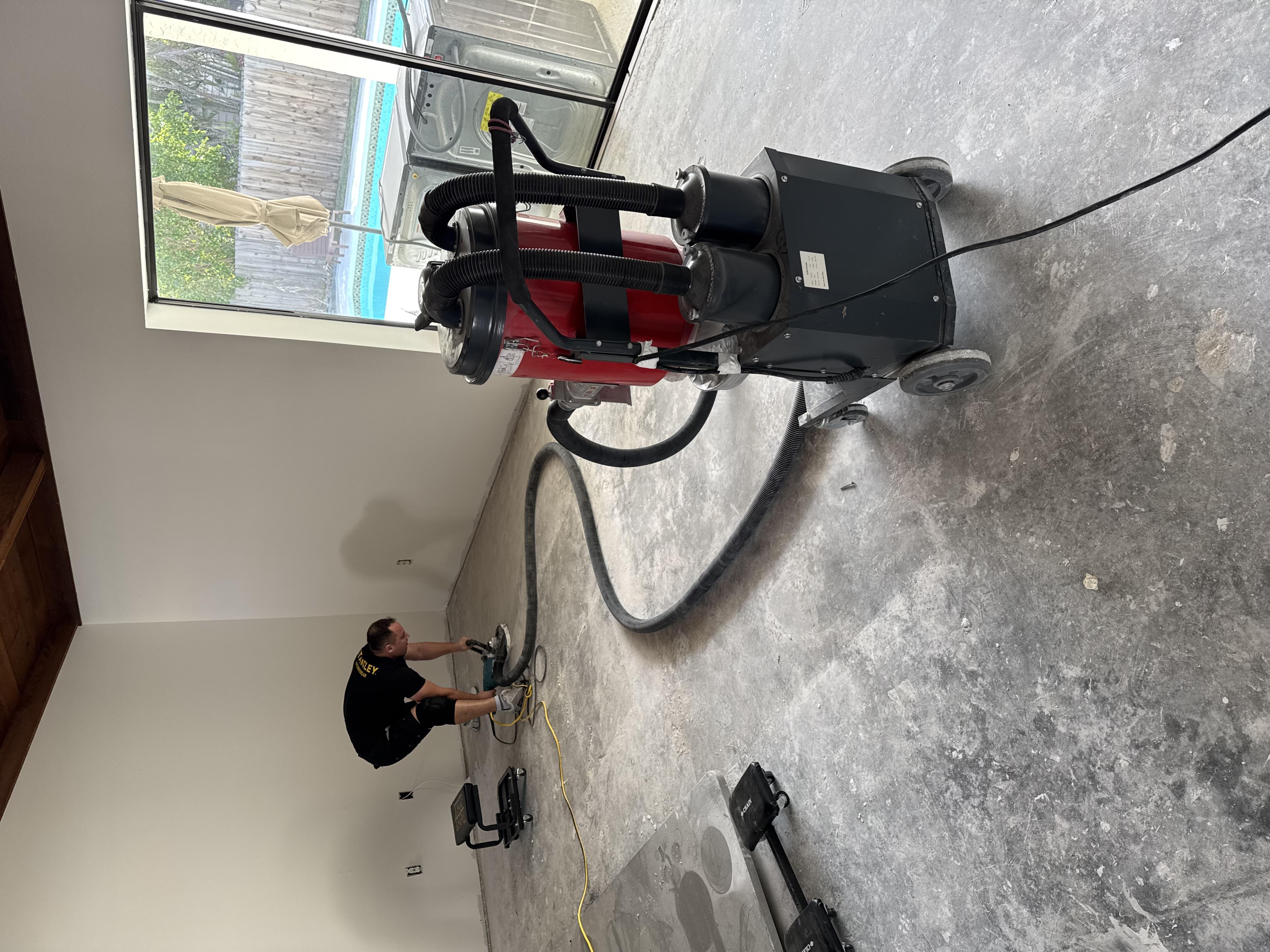
Carpet needs a clean, dry, structurally sound subfloor—concrete should be sealed and tested for moisture, and wood subfloors must be stable with no soft spots or movement. Yes, carpet and pad should acclimate in your home for 24–48 hours before installation so they reach the same temperature and humidity as the room; this prevents post-installation buckling or shrinkage. The 8-lb rebond pad we use is denser and more moisture-resistant than thin foam, making it critical for basements or rooms prone to humidity shifts. Mak Floors inspects your subfloor and follows acclimation best practices on every job.
Is carpet more expensive than laminate or vinyl over the long run?
+
Carpet typically runs $4–$9 per sq ft installed (with quality pad), while vinyl or laminate may be cheaper upfront. However, carpet lasts 8–15 years with normal care, and our lifetime installation warranty covers seams, stretching, and workmanship—you won't pay again to fix installer-related failures. Hard surfaces don't wear uniformly and often require full replacement when worn through. The real value lies in carpet's comfort, sound dampening, and safety for kids and pets; if those matter in your bedroom or family room, the cost-per-year is competitive.
How do I maintain carpet to reach its 8–15 year lifespan, and what shortens it?
+
Carpet lasts longest with regular vacuuming (2–3 times weekly in high-traffic areas), immediate spot cleaning of spills, and professional deep cleaning every 12–18 months. Pet accidents, moisture trapped under the pile, and dragging heavy furniture directly on carpet are the biggest killers—use furniture pads and address spills fast. Sunlight fading and traffic wear are inevitable; darker, textured patterns hide this better than light solid colors. Our 8-lb rebond pad resists moisture longer than thin pads, extending the carpet's life in basements or humid rooms.
Is carpet a good choice for Sacramento-area homes, especially older ones with temperature swings?
+
Yes—Sacramento's dry climate is actually ideal for carpet once it's properly acclimated. Older Roseville and Sacramento homes often have concrete slabs or uneven wood subfloors; carpet and rebond pad mask minor imperfections and provide insulation that keeps bedrooms warmer in winter without heating bills spiking. Many older homes also have upper-floor bedrooms where sound dampening from carpet is a real benefit—it reduces noise travel to rooms below. Mak Floors has installed hundreds of carpet jobs in Placer and Sacramento counties and knows how to handle both historic foundation issues and modern slab homes.