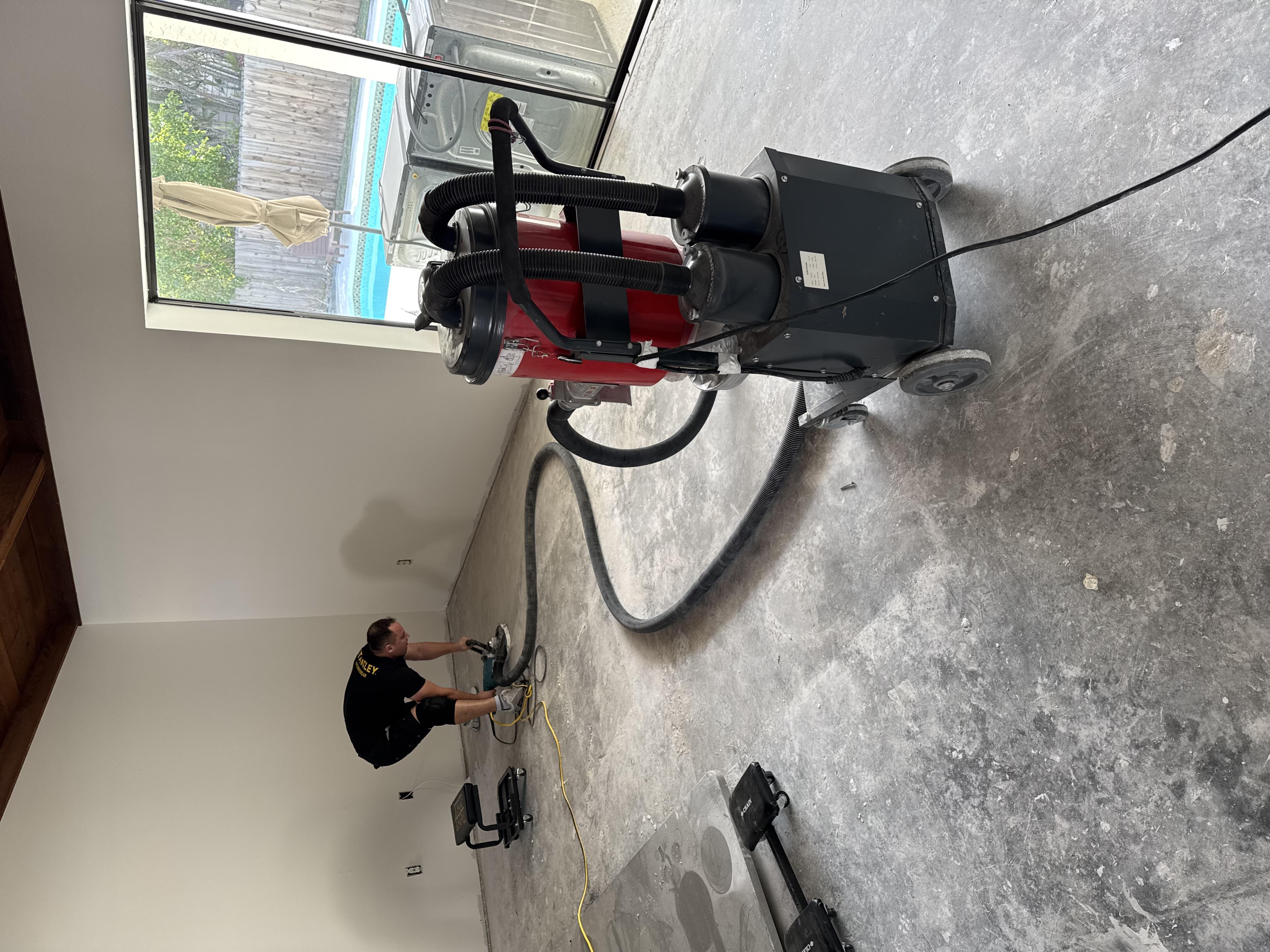
Why is complete tack strip and adhesive removal so important before installing new flooring?
+
Tack strips are nailed directly to the subfloor and create uneven high points that telegraph through new flooring, especially rigid materials like luxury vinyl plank or hardwood. Residual carpet adhesive (particularly from urethane or hot-melt styles used before the 2000s) remains tacky or brittle and prevents new flooring from sitting flush against the subfloor. If adhesive isn't fully scraped away, new vinyl or laminate will rock or develop gaps within months. Mak Floors scrapes the entire surface and removes every tack strip nail to guarantee a flat, clean substrate.
What subfloor problems do you check for during carpet removal, and can you fix them?
+
During removal, we inspect for soft spots (early wood rot from moisture intrusion), large dips or humps in the concrete or wood, stains indicating past leaks, and rust stains around floor vents. While we identify and document these issues, structural repairs (sistering joists, patching concrete, replacing subfloor sections) are separate scope and cost. However, catching these problems before your new floor goes in prevents costly callbacks and ensures your warranty isn't compromised. We'll provide a clear report and recommend solutions before the next floor is installed.
How much does carpet removal typically cost compared to leaving old carpet under new flooring?
+
Carpet removal runs $1–$2.50 per sq ft for a typical Roseville home. Leaving old carpet under new flooring (sometimes called 'floating' a new floor) may seem cheaper upfront, but it's a false economy: the new floor will shift, creak, and compress unevenly over the carpet padding, voiding most manufacturer warranties. You'll also lose the chance to inspect the subfloor and catch moisture or structural issues. Proper removal costs less than replacing a failed floor two years later.
Does carpet padding underneath affect how long new flooring lasts?
+
Yes—old padding traps moisture and creates a soft, unstable base that causes new hardwood, laminate, and luxury vinyl to move and warp. Padding also attracts dust mites and mold, which migrate into the new floor's crevices. Removing padding along with the carpet eliminates this moisture reservoir and ensures rigid flooring sits on a stable, dry subfloor. This single step extends the life of your new floor by years and prevents the hollow feel that develops when flooring shifts beneath foot traffic.
In Sacramento and Placer county homes, what moisture and subfloor issues do you see most often after removing carpet?
+
Older Roseville and surrounding homes frequently have concrete slabs with high moisture vapor transmission (especially near foundations or in homes with poor drainage), and we often discover mold stains or dampness after carpet removal. Wood-frame homes built in the 1980s–2000s sometimes have inadequate crawlspace ventilation, leading to soft joists or rot in the rim joist area. The region's summer heat and winter moisture swings make proper subfloor prep critical—a dry, level substrate prevents cupping in hardwood and edge-curl in vinyl. We'll flag any concerns so your new floor installer can specify moisture barriers or acclimation steps specific to your subfloor's condition.