LIVE
Booking estimates this week · (916) 342-4362
HomeServicesCeramic TileAntelope
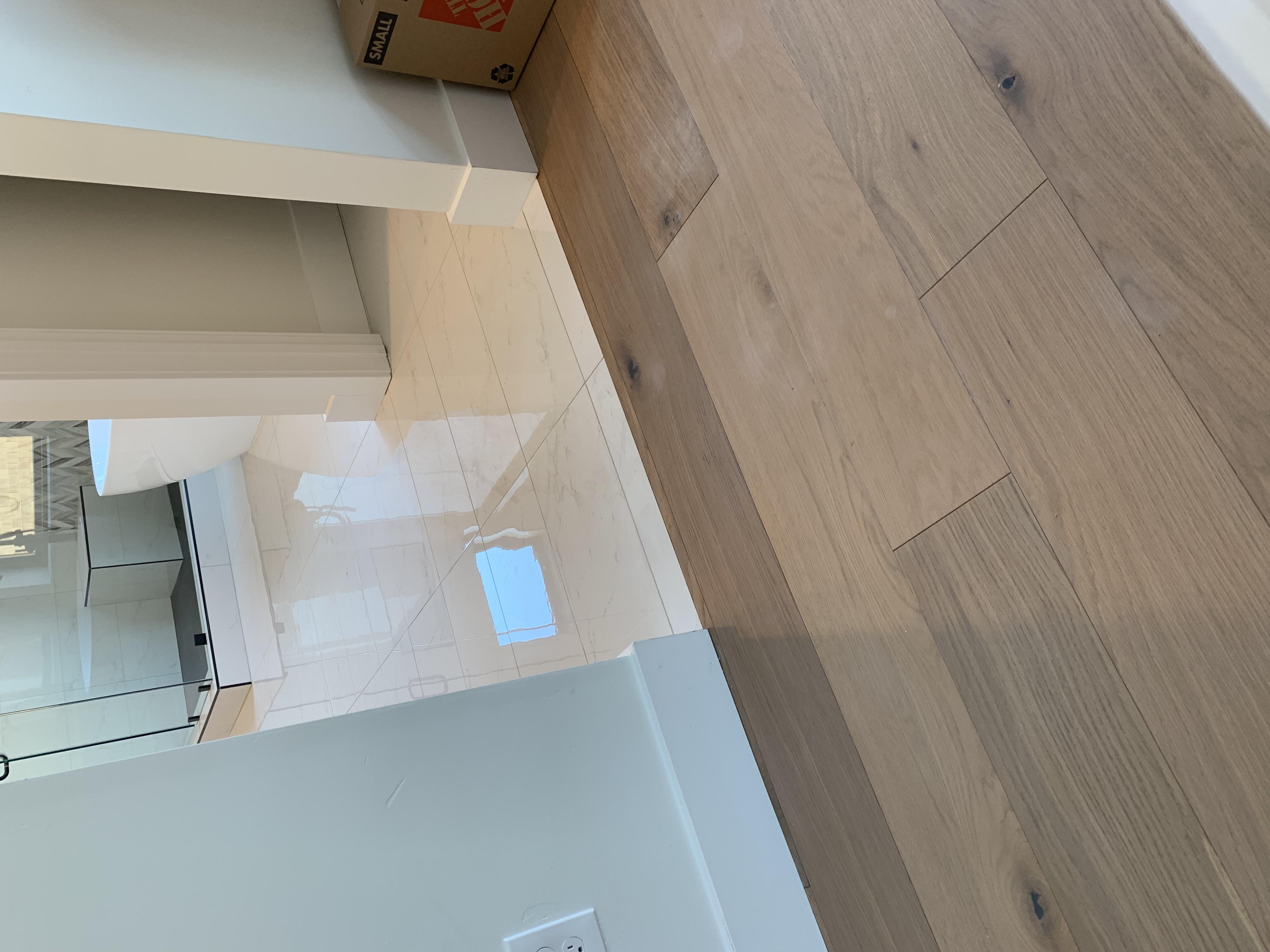
Wide-plank hardwood to marble tile bathroom transition in a Granite Bay, CA home
TILE · Antelope

Ceramic Tile Installation in Antelope, CA

Antelope's 20–30 year old tract homes were built with standard slab foundations and basic builder-grade flooring that's ready for an upgrade. Ceramic tile is the practical choice for bathrooms and laundry rooms in these Elverta Estates homes—it's more forgiving than porcelain on a budget, and when installed correctly over cement backer board, it handles moisture without the durability compromise.

$8–$16 per sq ft installed
Price range
3–5 days for 1,000 sq ft
Install time
30–50 years
Lifespan
Lifetime
Warranty
Ceramic Tile Installation in Antelope
Free on-site quote, lifetime install warranty.
Prefer to call?(916) 342-4362

Why Ceramic Tile Works in Antelope

Antelope's valley climate means slab foundations experience seasonal expansion and contraction, which ceramic tile handles well when proper expansion joints are installed. Unlike porcelain, ceramic tile costs less to install across the 1,800–2,500 sq ft single-story layouts that dominate this area, making it ideal for homeowners updating multiple moisture-prone rooms without breaking the bank. The concrete slab substrate is actually ideal for ceramic—no structural flex issues like wood-frame construction creates.

Local installation considerations

1
Slab foundation moisture: Antelope homes sit on concrete slabs that can wick moisture upward, especially in laundry rooms. Ceramic tile over proper cement backer board and moisture barrier prevents grout failure and substrate damage that plagues direct-on-slab installations.
2
Expansion joint spacing: Valley heat swings mean grout lines need wider, properly-spaced expansion joints—especially in bathrooms where moisture and temperature changes stress the tile. Standard 1/8" gaps aren't enough here; Mak Floors installs 1/4" joints and uses elastomeric grout in high-movement zones.
3
Backer board over slab: Two-story family homes in subdivisions like Elverta Estates sometimes have bath or laundry on the second floor with wooden subfloors—these need full cement backer board installation before tile, not direct thinset on subflooring, to prevent cracking in Antelope's temperature-driven movement.

About Ceramic Tile

Choose ceramic tile when you want authentic color and pattern variety without porcelain's premium price—you'll save 30–40% per square foot and still get 30–50 years of service. It's the smart choice for budget-conscious kitchen and bathroom remodels in the Roseville area, especially in homes where durability matters more than ultra-low maintenance.

Benefits for Antelope homes

More affordable than porcelain
Easier to cut and install
Unlimited color and pattern options
Long lifespan
Price range
$8–$16 per sq ft installed
Lifespan
30–50 years
Install time
3–5 days for 1,000 sq ft
Warranty
Lifetime installation warranty

Free Ceramic Tile Estimate in Antelope

Tell us about your project. We schedule most Antelope estimates within 48 hours.

Free, no-pressure on-site estimate
Written quote provided same visit
Lifetime installation warranty
CSLB licensed & insured
Prefer to call?
(916) 342-4362

Also Installing Ceramic Tile In

Other Flooring Services in Antelope

Ceramic Tile FAQs — Antelope

Why does ceramic tile need backer board, and what happens if you install it over drywall? +
Ceramic tile is porous and will absorb water if moisture gets behind it; standard drywall dissolves when wet, creating hidden mold and causing tiles to pop or crack. Backer board (cement or fiber-reinforced) resists moisture and provides a stable, non-flexing base that ceramic tile needs to stay intact. We always install ceramic over proper backer board in bathrooms and laundry rooms—skipping this step is the #1 reason ceramic fails prematurely, and it's not worth the short-term savings.
What are expansion joints and why do ceramic tiles crack without them? +
Ceramic tile expands and contracts with temperature and humidity changes—roughly 1/16 inch per 8 feet of flooring. Without proper expansion joints (grout lines wider than standard, or dedicated movement joints in large rooms), the tiles have nowhere to move and will crack. We use the correct joint spacing based on your room size and Sacramento's seasonal temperature swings, plus we account for transitions between rooms where different materials meet. This is critical in kitchens and bathrooms where humidity fluctuates daily.
Is ceramic tile really 30–40% cheaper than porcelain, and where does the savings come from? +
Yes—ceramic typically runs $8–$16 per square foot installed versus $12–$25 for porcelain. The material itself is softer to produce, requires less dense firing, and is faster to manufacture. Installation labor is also slightly lower because ceramic cuts easier with standard wet saws, so we can work faster without specialized tools. The tradeoff is that ceramic is softer underfoot, more prone to edge chipping in high-traffic areas, and less scratch-resistant; but for bathrooms and secondary kitchens, this rarely matters.
How do you maintain ceramic tile to make it last 30–50 years? +
Ceramic itself is nearly indestructible, but grout is the weak link—it's porous and will absorb water and stains if not sealed. We recommend sealing grout every 2–3 years and cleaning regularly with pH-neutral cleaners (avoid acidic vinegar solutions, which etch grout). The tile surface itself only needs sweeping and damp-mopping; ceramic doesn't require stripping or special floor finishes like wood does. With proper grout maintenance and reasonable care, your ceramic floor will outlast the cabinets and fixtures around it.
Does ceramic tile work well in Roseville kitchens and bathrooms given our climate? +
Absolutely—ceramic tile thrives in the Sacramento Valley's dry summers and cool winters because the seasonal expansion/contraction is predictable and manageable with proper joint spacing. Many older Roseville homes have ceramic tile bathrooms that have lasted 40+ years. The real advantage here is that ceramic won't be damaged by the hard water common in our region (unlike some stone tiles), and it pairs perfectly with the farmhouse and contemporary styles popular in Placer County homes. We design joint patterns and grout color choices that complement both modern and traditional aesthetics in the area.