LIVE
Booking estimates this week · (916) 342-4362
HomeServicesFloor LevelingRio Linda
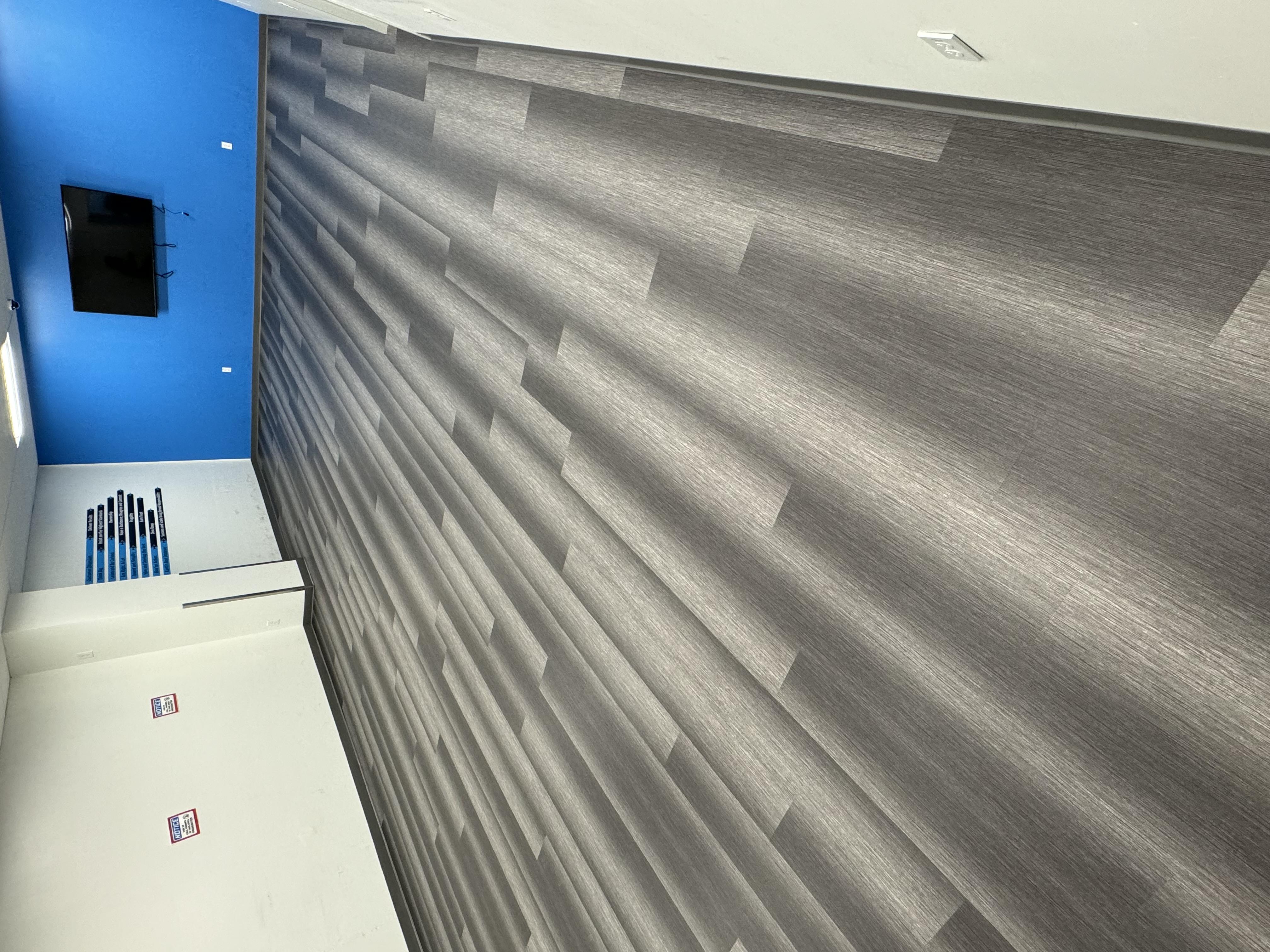
Commercial vinyl plank conference room floor in a Granite Bay, CA office
SPECIALTY · Rio Linda

Floor Leveling & Subfloor Prep in Rio Linda, CA

Rio Linda's older ranch homes and acreage properties often have concrete slabs or plywood subfloors that have settled unevenly over decades—especially those built in the 1960s–80s. Before installing rigid flooring like LVP or engineered hardwood, a level subfloor is non-negotiable; otherwise, you'll hear and feel every dip and high spot underfoot. Mak Floors uses self-leveling concrete and patching compounds to bring your subfloor into spec (within 3/16" over 10 feet) so your new floor lies flat and lasts.

$2–$5 per sq ft
Price range
1–2 days (plus 24h cure)
Install time
Lifetime
Lifespan
Lifetime
Warranty
Floor Leveling & Subfloor Prep in Rio Linda
Free on-site quote, lifetime install warranty.
Prefer to call?(916) 342-4362

Why Floor Leveling Works in Rio Linda

Rio Linda's river-adjacent location and occasional flooding history make waterproof or water-resistant flooring essential—LVP is ideal because it won't swell or warp if moisture seeps in from the foundation or crawl space. Engineered hardwood works here too, but only if the subfloor is bone-dry and properly prepped; the valley's humidity swings can cause wood movement if a wavy subfloor creates gaps between boards. Proper subfloor leveling eliminates the hidden voids that trap moisture and cause buckling or mold.

Local installation considerations

1
Concrete slab inspection for cracks and moisture: Many Rio Linda ranch homes sit on uninsulated slabs poured directly on soil. We test for moisture and seal/level cracks before install to prevent water wicking and future flooring failure.
2
Plywood subfloor assessment and spot repair: Older single-family homes on acreage may have plywood over joists with soft or deteriorated sections from age or past water intrusion near the foundation. We identify weak spots, reinforce as needed, and level the entire surface for rigid flooring.
3
Seasonal moisture timing: Install timing matters in Rio Linda—heavy winter/spring moisture can affect concrete curing and adhesive performance. We schedule prep and install during drier months to ensure leveling compounds set properly and flooring bonds securely.

About Floor Leveling

If your concrete slab or plywood subfloor has visible dips, soft spots, or high edges, skipping leveling will destroy your flooring investment within 2–3 years. Self-leveling compounds cost $2–$5 per square foot today but save you thousands in callbacks, warranty claims, and premature replacement—especially critical in older Roseville and Placer County homes where settling and moisture issues have warped foundations over decades.

Benefits for Rio Linda homes

Required for premium LVP and engineered hardwood
Eliminates rocking and squeaks
Self-leveling concrete or patching
Critical for slab-on-grade homes
Price range
$2–$5 per sq ft
Lifespan
Lifetime
Install time
1–2 days (plus 24h cure)
Warranty
Lifetime installation warranty

Free Floor Leveling Estimate in Rio Linda

Tell us about your project. We schedule most Rio Linda estimates within 48 hours.

Free, no-pressure on-site estimate
Written quote provided same visit
Lifetime installation warranty
CSLB licensed & insured
Prefer to call?
(916) 342-4362

Also Installing Floor Leveling In

Other Flooring Services in Rio Linda

Floor Leveling FAQs — Rio Linda

Why do rigid floorings like LVP and engineered hardwood require a perfectly flat subfloor? +
Unlike carpet or vinyl sheet goods that flex and conform, rigid planks sit on top of the subfloor and transfer every imperfection directly to your foot and ear. Even a 1/4" low spot over 3 feet creates visible gaps under planks, causes the floor to rock when you walk on it, and forces planks to cup or crack as they try to bridge the void. Engineered hardwood is especially sensitive because its plywood core can't flex without breaking the veneer. LVP manufacturers explicitly void warranty if subfloor variance exceeds 3/16" over 10 feet—that's not a suggestion, it's a hard install requirement.
What's the difference between self-leveling concrete and patching compound, and which do I need? +
Self-leveling concrete is a poured, fluid product that fills and hardens to create a perfectly flat plane—ideal for large areas of concrete slabs with multiple low spots or severe unevenness. Patching compound is thicker, applied by trowel, and better for isolated high spots, small voids, or plywood subfloors where you need precision rather than full coverage. Mak Floors assesses your subfloor during the pre-install inspection and specifies whichever product (or combination) will meet the 3/16" flatness standard. Both require 24 hours of cure time before flooring installation can begin, so plan accordingly.
Is floor leveling really worth the extra cost, or can I just install over an uneven subfloor? +
Leveling adds $2–$5 per square foot upfront, but it's the only way to unlock the full lifespan and warranty protection of quality LVP or engineered hardwood. Install over an uneven subfloor and you're guaranteeing callbacks, creaking, premature wear, and potential voided warranty from the flooring manufacturer—costs that dwarf the leveling expense. For a 1,500 sq ft home, leveling runs $3,000–$7,500; replacing failed flooring in 3 years costs $15,000–$25,000. It's insurance, not optional.
How long do self-leveling compounds and patches last once installed? +
Self-leveling concrete and patching compounds are permanent once cured—they don't degrade, crack, or require maintenance unless the underlying structural issue (like ongoing slab settlement) continues. The lifetime is tied to your flooring and substructure, not the leveling layer itself. Mak Floors backs all leveling work with our lifetime installation workmanship warranty, so if any component fails due to prep, we make it right at no charge. The real risk is slab settlement or water damage affecting the subfloor after install—a structural issue, not a leveling failure.
Are older homes in Roseville and Placer County more likely to need subfloor leveling? +
Absolutely. Homes built in the 1980s–2000s on concrete slabs often have minor settling and clay-layer movement that creates valleys; older plywood subfloors have warped from moisture and age. Sacramento's hot, dry summers and occasional wet winters accelerate wood movement and concrete micro-cracking. Slab-on-grade homes are especially common in this region, and they're the most prone to flatness issues. If you're installing premium LVP or engineered hardwood in a Roseville or Placer County home, expect subfloor leveling to be part of the job—Mak Floors factors it into pre-install assessment and quotes transparently so there are no surprises.