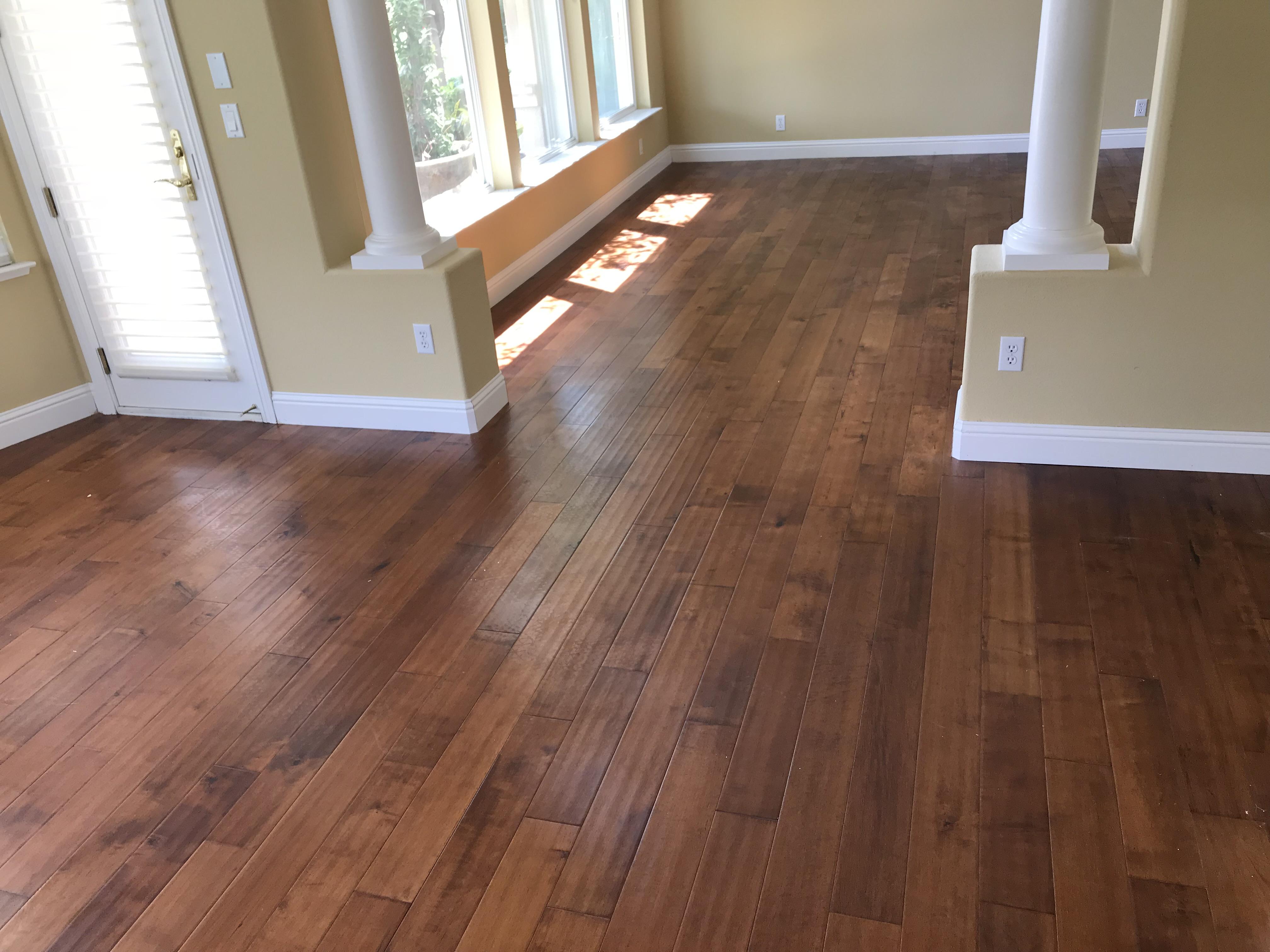
Why is removing glued-down hardwood so much harder than removing laminate or LVP?
+
Glued-down solid hardwood or engineered hardwood is mechanically bonded to the subfloor with construction adhesive that was designed to never let go. Improper removal—scraping, prying, or grinding—can gouge, splinter, or create divots in the subfloor that are impossible to level before new flooring goes down. Mak Floors uses controlled scraping techniques and equipment that separate the adhesive bond without damaging the substrate beneath. This is why glued-down hardwood removal is at the higher end of the price range and requires more time.
What happens if tile removal cracks or chips the subfloor underneath?
+
Tile sits on top of a thin bed of mortar or thin-set, so aggressive removal can fracture the concrete or plywood subfloor. Once cracked, that subfloor must be patched, leveled, or replaced before new flooring can be installed—adding weeks and hundreds to thousands of dollars in repair costs. Professional removal uses proper chiseling angles, specialized grout saws, and controlled force to separate tile without impacting the substrate. We assess subfloor condition during removal and flag any damage immediately, so you know exactly what you're working with before moving to the next phase.
Is professional floor removal really worth the $2–$6 per square foot when I could just DIY it?
+
DIY removal typically costs $500–$1,500 in rented equipment, takes 2–5 times longer, and carries high risk of substrate damage that costs far more to fix. A 500 sq ft room that takes you a week to demo might take Mak Floors 1–2 days with zero subfloor damage—getting you to installation faster and protecting your investment. Plus, proper removal includes debris hauling and disposal, which is messy, heavy, and often requires a dumpster rental. For any project over 300 sq ft or involving tile or glued-down hardwood, professional removal pays for itself.
Can you remove my old floor without damaging the subfloor, or will I need repairs?
+
We can preserve most subfloors if they're in decent condition to begin with—that's our goal on every job. However, older homes with concrete or water damage, or floors that were installed with excessive adhesive or mechanical fasteners, may require patching or leveling after removal. We document subfloor condition as we work and recommend repairs before new flooring goes down. This transparency means no surprises later, and our lifetime installation warranty covers the work we do—not pre-existing subfloor damage.
Are Sacramento-area homes (older tile and glued hardwood) harder to demo than newer construction?
+
Yes. Older Roseville and Sacramento homes often have tile over concrete slabs or solid hardwood glued directly to subfloors with aggressive adhesives that were common 20+ years ago. These require more time, specialized equipment, and careful technique than newer vinyl or laminate installs. We've worked hundreds of demos across Placer and Sacramento counties and understand the regional building practices—ceramic tile, oak hardwood, and concrete are our bread and butter. That experience is why we can accurately estimate your project and avoid the surprises that catch general contractors off-guard.