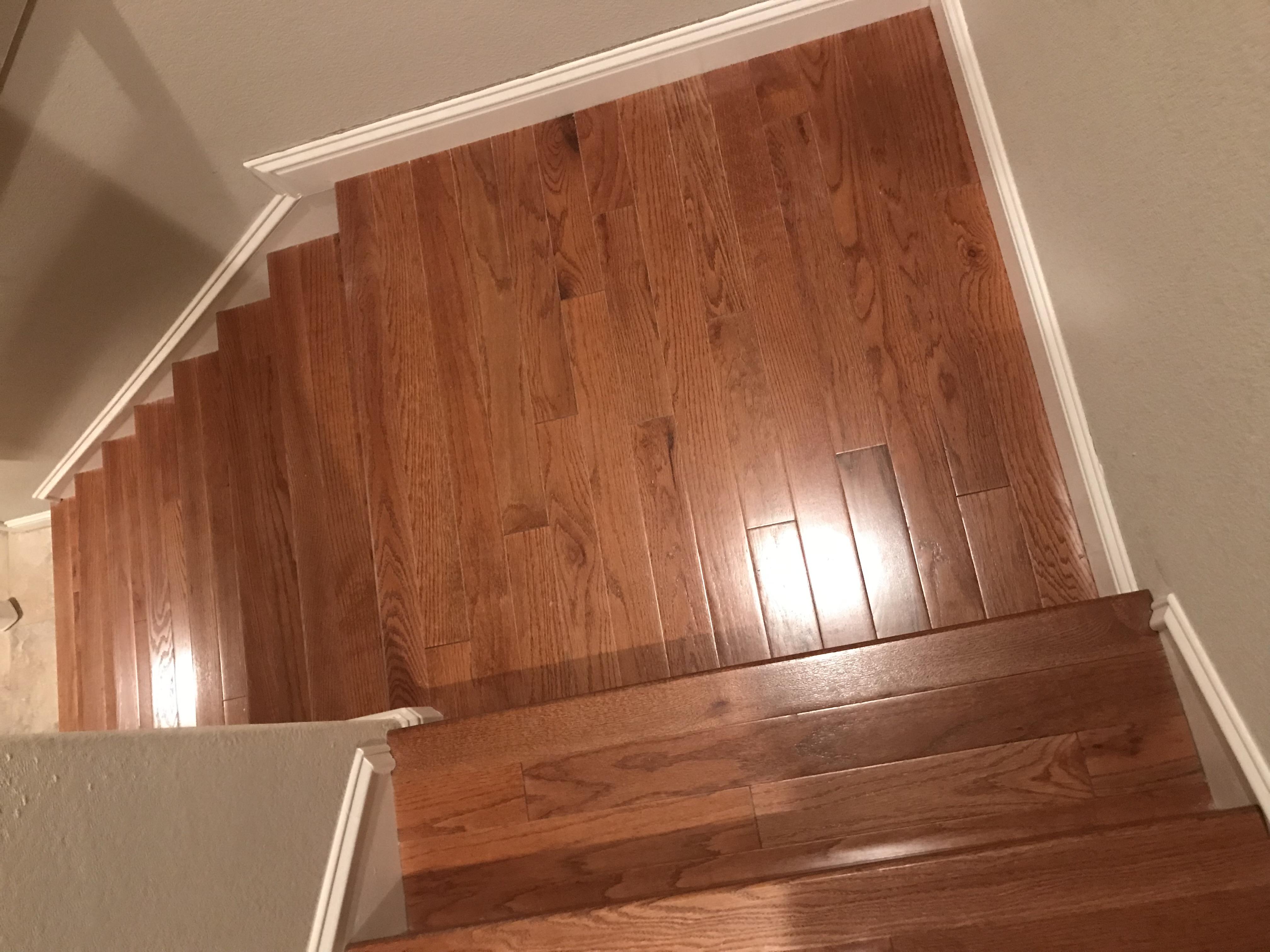
Why does subfloor condition matter so much, and what exactly are you checking?
+
The subfloor is the structural base that your finished floor depends on; if it's soft, uneven, or moisture-compromised, even premium materials will fail prematurely. We perform moisture testing with calibrated meters to detect vapor transmission before installation, check for structural deflection and rot, verify proper ventilation underneath, and map out areas needing reinforcement. Skipping this step is why you see flooring cupping, separating seams, or premature deterioration—we catch these problems during prep, not after you've paid for new material.
What's the difference between 'certified installation' and just having someone lay down flooring?
+
Certified installation follows the flooring manufacturer's written specifications exactly—these cover acclimation periods (especially critical for wood and engineered products), specific fastening patterns, expansion gaps, moisture barriers, and transition methods. Non-certified installers often skip acclimation, ignore expansion requirements, or cut corners on transitions because they work faster and cost less. Manufacturers won't honor warranty claims if installation doesn't meet their standards, which is why we follow their specs precisely and document everything. Your lifetime installation warranty from Mak Floors covers our work, but it also means you have recourse if something fails due to improper installation methods.
How do you handle moisture in Sacramento's climate, and why is it a bigger concern than people think?
+
Sacramento's winter humidity and spring groundwater, combined with modern sealed homes, can trap vapor that pushes up through concrete slabs or wood subfloors. We use vapor barriers, moisture-blocking underlayments, and sometimes mechanically improve subfloor ventilation depending on your specific moisture profile. Moisture-related failure is silent—floors feel fine for 6-18 months, then cupping, mold, or adhesive failure appears suddenly. Testing moisture levels before installation and specifying the right moisture mitigation strategy is non-negotiable in our region.
What does a 'lifetime installation warranty' actually cover, and what doesn't it cover?
+
Our lifetime installation workmanship warranty covers failures due to improper installation methods, structural work, fastening, transitions, moisture preparation, or finish work—basically anything that resulted from how we did the job. It does not cover normal wear, pet damage, water damage from flooding or neglect, or failures caused by product defect (those are manufacturer warranties). It means if your floor separates, squeaks, or shows installation-related problems, we return to fix it at no charge, for life. This warranty is only as good as the installer standing behind it—we've been in Roseville and Placer County long enough to be accountable.
Are there flooring materials that perform better in Placer and Sacramento homes, and do you install them differently?
+
Wood and engineered hardwood are popular in our area's mid-century and newer homes, but they're sensitive to moisture and seasonal humidity swings—they require longer acclimation and climate control during installation. Luxury vinyl and tile perform more reliably in our fluctuating conditions, but improper subfloor prep still causes failure. We adjust our installation approach based on material, home age, and your specific site conditions; a 1960s Sacramento home with a concrete slab needs different moisture strategy than a newer Placer County timber-frame construction.