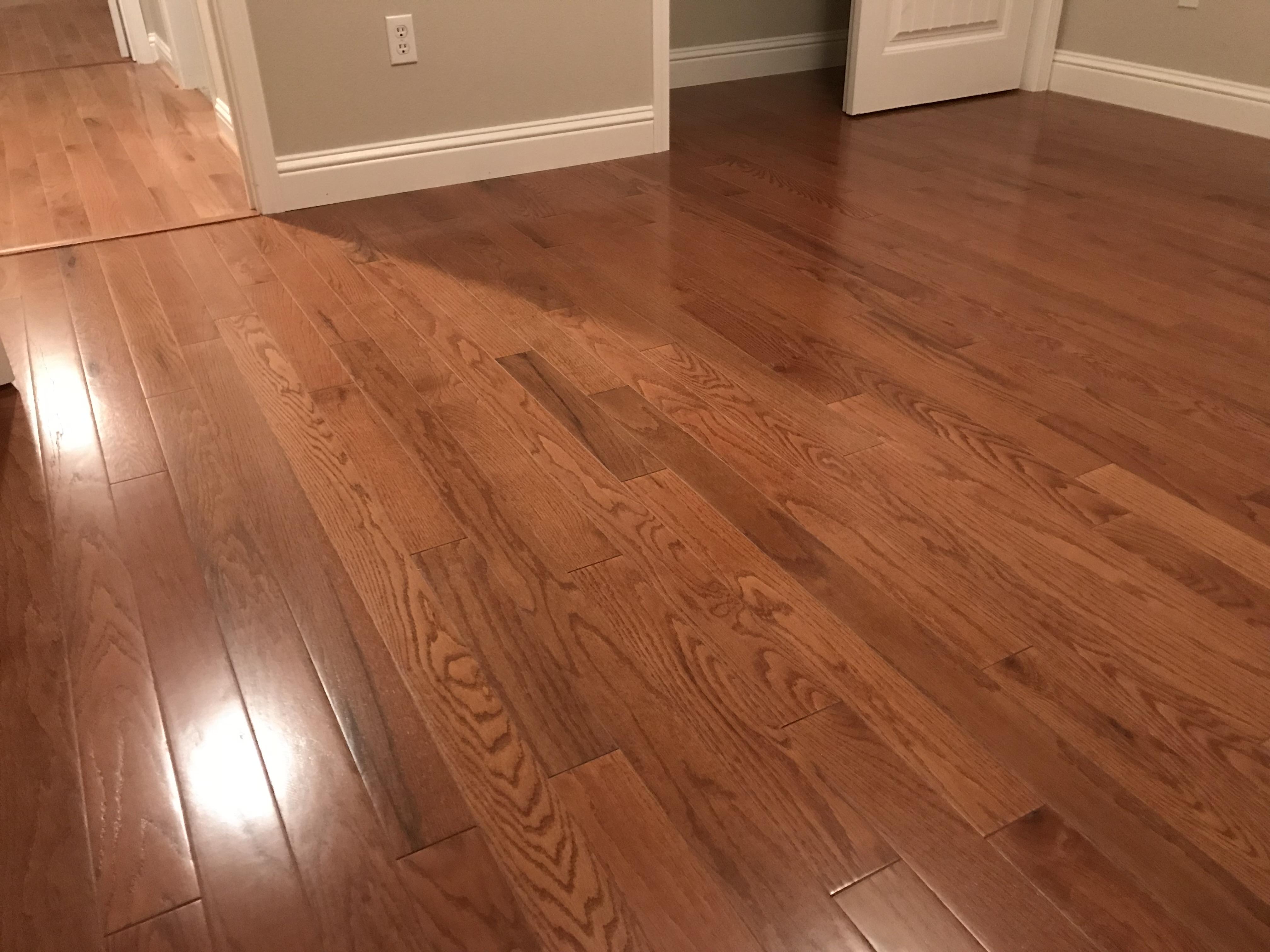
Why do hardwood boards cup or gap after water exposure, and can repair fix that?
+
Hardwood absorbs and releases moisture with humidity changes—wood swells in wet conditions and shrinks when dry. Severe water damage (standing water, flooding, long-term moisture) can cause permanent cupping, warping, or rot that sanding alone won't fix. We remove those damaged boards entirely and install new planks acclimated to current indoor humidity levels. Once the new boards settle in with your home's climate, they'll stay stable; gapping that develops later is normal expansion and contraction, not a sign of failed repair.
How do you ensure replacement planks match the original wood grain and color?
+
We source hardwood species and grades that match your existing floor—oak, maple, hickory, or whatever you have. The real work happens at the stain and finish stage: we test stains on similar wood samples, hand-blend if needed, and sand the repaired area and surrounding boards together so the grain pattern and color integration are seamless. In some older homes with deeper patina, we may need to sand the entire room to ensure uniform color, but this prevents the repair from looking like a patch.
Is hardwood repair cheaper than replacing the whole floor, and when does the cost make sense?
+
Absolutely. A hardwood floor repair typically runs $200–$1,200 per damaged area; full replacement costs $8–$15 per square foot installed. If you have 100–300 sq ft of floor damage in an otherwise healthy 1,500 sq ft home, repair saves you thousands. However, if damage is scattered across more than 20–30% of the floor, or if structural issues like rot or subfloor cupping are underneath, replacement becomes the better investment because scattered repairs will feel pieced together.
How long will a repaired section last, and does it need different care than the original floor?
+
When done right, a hardwood repair lasts the life of the house—our lifetime warranty covers the installation. The new planks are the same solid wood as the original, so they age and wear identically. You care for the repaired section exactly like the rest of your floor: avoid standing water, wipe spills within minutes, use area rugs in high-traffic zones, and maintain humidity between 30–50% (critical in Sacramento's dry summers and variable winters). The only advantage of repair over the original floor is that the new wood is fresh and hasn't weathered decades of UV exposure, so it may look slightly newer until it patinas.
Does the Sacramento and Placer County climate affect hardwood repairs differently?
+
Yes. Our region's dry summers and occasional wet winters mean hardwood floors experience seasonal expansion and contraction. New replacement planks must acclimate to your home's current humidity levels for at least a few days before installation; we factor this in. If your home doesn't have consistent HVAC or humidity control, gaps may open up in summer or boards may swell in winter—this is normal wood movement, not a repair failure. For pet damage and wear repairs in older Roseville and Placer County homes with radiant heat or inconsistent climate control, we may recommend addressing moisture sources first to prevent the repaired boards from cupping again.