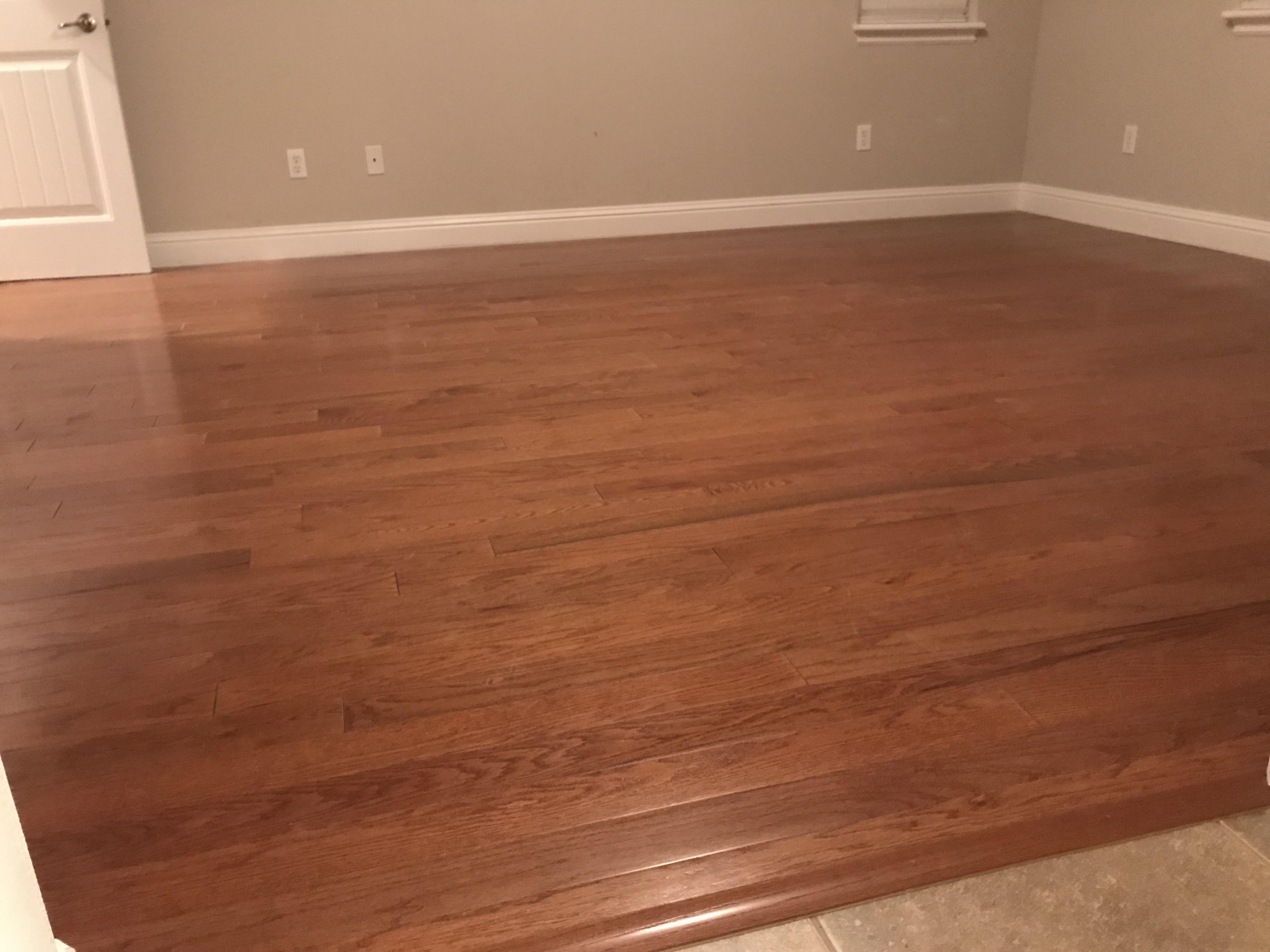
How many times can solid hardwood be refinished before it's too thin to sand?
+
Solid 3/4" hardwood typically tolerates 1–3 full refinishes over its lifetime, depending on how aggressively previous sanding cut into the wood. Each professional refinish removes roughly 1/32" to 1/16" of material, so a floor sanded too deep early on may not have enough wood left for a second pass. We inspect your floors during the estimate to measure remaining thickness and advise whether a full three-grit sand is safe or whether a lighter screen-and-recoat would better preserve longevity. This is why working with experienced installers matters—aggressive amateurs can waste your wood in one job.
Do I need to move out during hardwood refinishing, and how long until the floor is walkable?
+
You should plan to stay elsewhere for at least 48–72 hours; dust from sanding penetrates walls, furniture, and HVAC systems even with HEPA containment, and the smell of curing polyurethane is strong. Water-based polyurethane cures to light traffic in 24 hours but takes 2–3 weeks to full hardness; oil-modified cures slower (3–5 days to light foot traffic) but builds a harder final film. We typically schedule refinishes in 3–5 day blocks to allow cure time between coats, and we recommend keeping the house well-ventilated and cool (65–75°F) during and after finishing for even cure.
Why is refinishing so much cheaper than replacing hardwood, and what am I not getting?
+
Refinishing costs $4–$8 per square foot because you're only sanding, staining, and sealing the existing wood—no demolition, disposal, subfloor repair, or new material purchase. Replacement typically runs $8–$15+ per square foot installed. The tradeoff: refinishing can't fix structural issues (cupping, gaps, rot), can't change floor height or pattern, and gives you the same plank layout you already have. If your hardwood is fundamentally sound but worn, refinishing is the smart math. If boards are warped, cupped, or severely damaged, replacement is your only real fix.
What's the difference between water-based and oil-modified polyurethane for hardwood refinishing, and which lasts longer?
+
Water-based poly dries faster, smells less, and shows the wood's true color without amber tint; it's durable for normal residential use and refinishes more easily in 8–10 years. Oil-modified poly (also called oil-based) builds a thicker, slightly more amber-hued film, feels warmer underfoot, and typically lasts 10–15 years before needing refinish—so it has a longevity edge for high-traffic homes. Oil-modified is harder and more forgiving of foot traffic spikes; water-based is easier to maintain and re-coat. We recommend water-based for most homes and oil-modified for kitchens, entries, and families with kids or pets.
Does the Roseville and Sacramento climate—heat, dry summers, humidity swings—affect hardwood refinishing results?
+
Yes. Our hot, dry summers and occasional humidity spikes (especially in spring and fall) can cause solid hardwood to move seasonally; too-fast sanding and finishing in dry months, or applying finish during humidity shifts, can trap moisture and cause the topcoat to blister or cure unevenly. We time refinishes for stable weather (spring and early fall are ideal), maintain shop humidity during cure, and recommend maintaining 30–50% indoor relative humidity year-round in your home to minimize wood movement post-refinish. Sacramento's older homes often have solid hardwood installed decades ago when humidity was less controlled; refinishing restores these floors, but understanding that seasonal movement is normal helps you care for them properly.