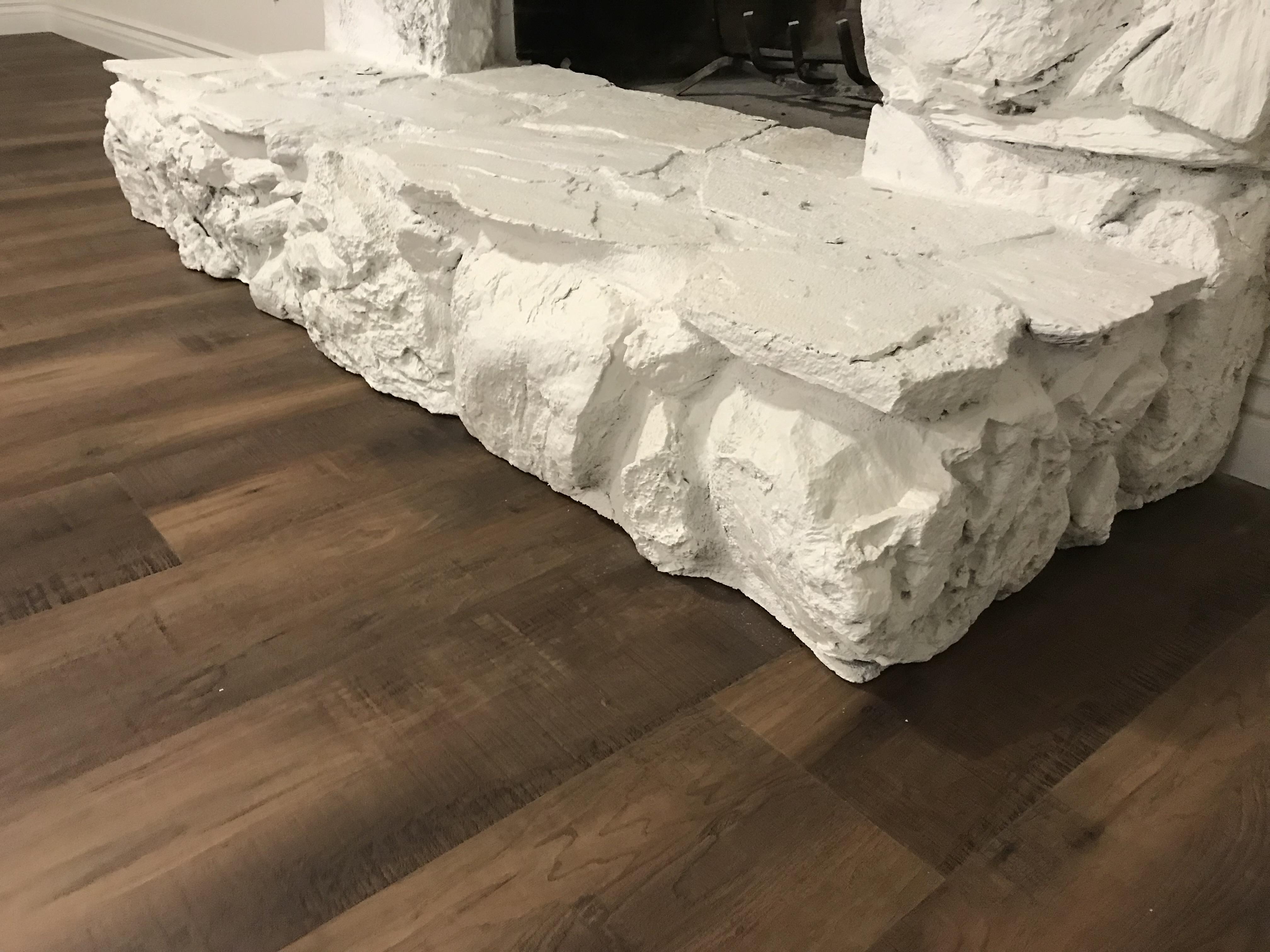
Will my LVP planks expand and gap in the heat of a Sacramento summer?
+
Not if installed correctly. The rigid SPC or WPC core in modern LVP resists thermal expansion far better than wood or old vinyl, but it still moves slightly with temperature swings. The key is acclimation: we open all boxes and let planks adjust to your home's temperature and humidity for 24–48 hours before installation. We also leave a 1/4-inch expansion gap at all walls and transitions, covered by trim. This small detail is what separates a silent, stable floor from one that buckles or makes noise underfoot.
Can LVP be installed over my existing tile, concrete, or uneven subfloor?
+
Mostly yes, but with conditions. LVP can go over concrete (if it's dry and sealed), vinyl, or tile—but the substrate must be clean, stable, and relatively flat. Major peaks and valleys over 3/16 inch across 10 feet will cause soft spots and eventual clicking or movement. We assess your subfloor first; if needed, we use self-leveling underlayment or grind down high spots. For click-lock LVP, a 1/4-inch cushioned underlay is standard and improves comfort. For glue-down, we may skip underlayment if the subfloor is solid concrete, but it's rare we recommend that route.
Is LVP really cheaper than hardwood, and does it look as good?
+
Yes on both counts. Premium LVP runs $5–$10 per square foot installed; real hardwood starts at $12–$15 and often exceeds $20 with finish work. LVP's printed layer captures authentic wood grain, knots, and color variation so convincingly that most visitors can't tell the difference without touching it. The trade-off is zero patina—your floor won't age or develop character the way hardwood does—but if your priority is beauty without the lifetime maintenance cost, LVP is the obvious play.
How do I keep my LVP looking new, and how long will it actually last?
+
LVP is low-maintenance: dust or vacuum regularly, wipe spills immediately (your floor is waterproof, but standing water damages the core), and avoid abrasive cleaners or steam mops. Use felt pads under furniture legs to prevent denting, especially under heavy pieces. Residential LVP lasts 20–30 years, and in our experience, the wear layer holds up beautifully in high-traffic homes—kitchens, hallways, pet zones included. Fading from direct sunlight is possible over a decade, but quality wear layers resist this better than cheap LVP. We only install reputable brands that back this durability claim.
Is LVP the right choice for my Sacramento home's climate and style?
+
Absolutely. Sacramento's dry heat and occasional humidity swings are ideal for LVP—the rigid core laughs at seasonal shifts that would make traditional wood cup or gap. If your home is a ranch, craftsman, or contemporary style, LVP matches every aesthetic and outperforms both tile (cold, slippery) and wood alternatives in homes with pets or kids. We regularly install LVP in whole homes across Roseville and Sacramento County, and we've yet to see a customer regret the choice. Our CSLB license and local experience mean we understand what works in your neighborhood's homes and climate.