LIVE
Booking estimates this week · (916) 342-4362
HomeServicesPorcelain TileCreekside, Roseville
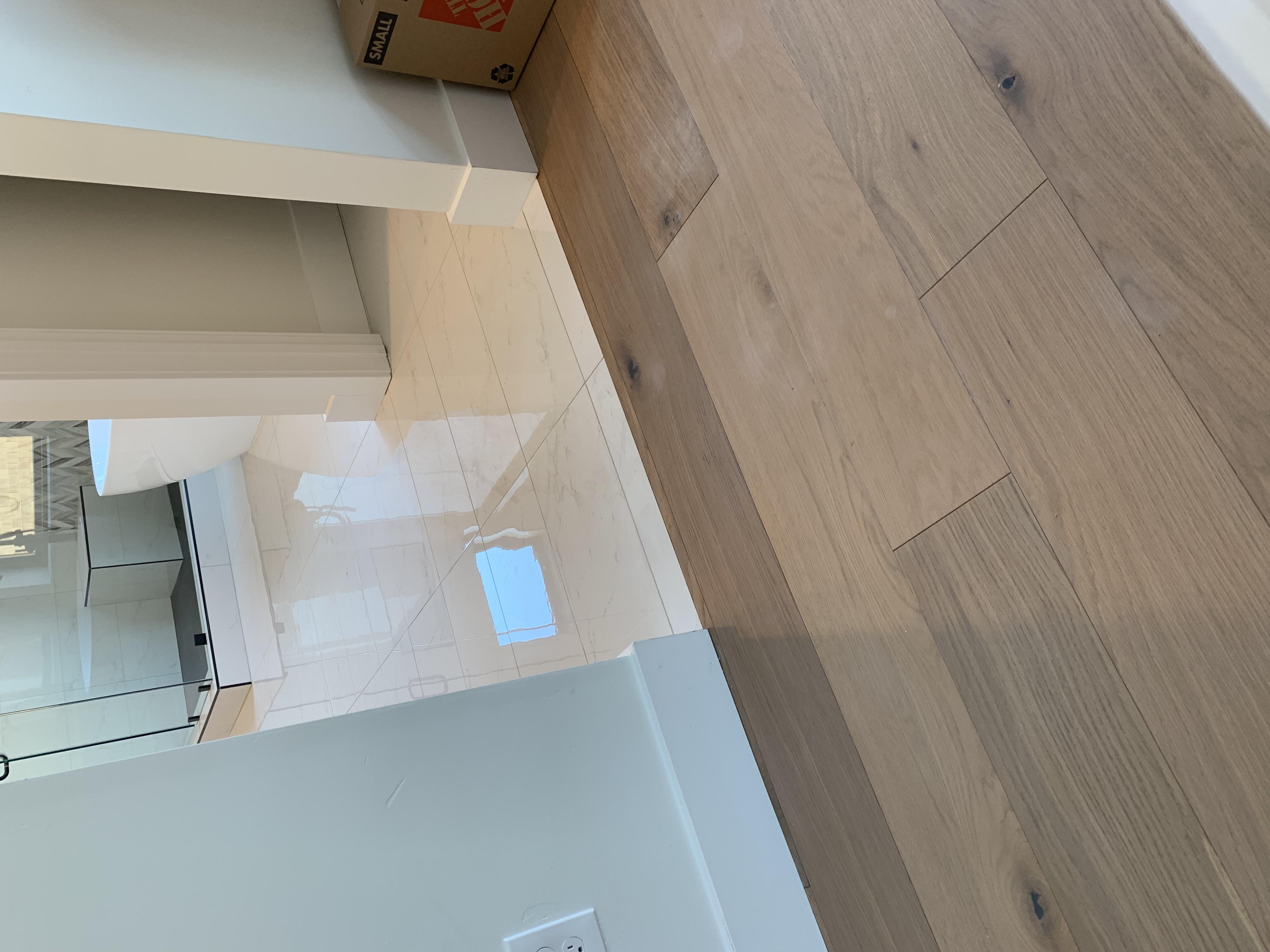
Wide-plank hardwood to marble tile bathroom transition in a Granite Bay, CA home
TILE · Creekside, Roseville

Porcelain Tile Installation in Creekside, Roseville, CA

Creekside's 1990s and early-2000s homes often feature dated carpet and vinyl in kitchens and bathrooms—spaces where porcelain tile's sub-0.5% water absorption makes it a practical upgrade. Modern large-format porcelain (24"x48" and larger) transforms these dated interiors into seamless, high-end spaces that handle Roseville's dry climate and occasional moisture without warping or discoloration.

$11–$22 per sq ft installed
Price range
3–6 days for 1,000 sq ft
Install time
50+ years
Lifespan
Lifetime
Warranty
Porcelain Tile Installation in Creekside, Roseville
Free on-site quote, lifetime install warranty.
Prefer to call?(916) 342-4362

Why Porcelain Tile Works in Creekside, Roseville

Porcelain tile is ideal for Creekside homes built in an era when moisture barriers and bathroom ventilation standards were less rigorous; its extreme density protects against the slow water absorption that degrades older drywall and subfloors. Roseville's hot, dry summers mean tile won't expand or contract unpredictably, and large-format installations minimize grout lines—reducing dust accumulation in a region prone to seasonal air quality variations.

Local installation considerations

1
Subfloor assessment is critical in 1990s two-story homes; original wood framing in upstairs bathrooms often lacks modern moisture barriers, requiring cement backer board or waterproofing membrane before tile to prevent damage to floor joists beneath.
2
Large-format porcelain (24"x48"+) requires perfectly flat, level subfloors—common settling or minor deflection in older Creekside homes may demand additional shimming, self-leveling compound, or substrate repair before installation.
3
Grout selection matters in California's dry climate; unsanded grout in narrow joints (typical with modern large-format tile) can shrink and crack without proper curing time, especially in south-facing bathrooms that experience temperature swings between heated mornings and cool evenings.

About Porcelain Tile

If you're choosing between porcelain and ceramic for a bathroom, kitchen, or patio, choose porcelain—the cost difference is 20–30%, but you're buying durability that won't fade, chip, or absorb water damage. Modern large-format porcelain (24"×48" and bigger) gives you fewer visible seams and a luxury aesthetic that ceramic can't match at any price. In Sacramento's hot-dry summers and occasional freeze conditions, porcelain is the only tile that performs reliably indoors and outdoors without special maintenance.

Benefits for Creekside, Roseville homes

Nearly waterproof when sealed
Hardest tile available
Large format options for modern look
Outdoor-rated
Price range
$11–$22 per sq ft installed
Lifespan
50+ years
Install time
3–6 days for 1,000 sq ft
Warranty
Lifetime installation warranty

Free Porcelain Tile Estimate in Creekside, Roseville

Tell us about your project. We schedule most Creekside, Roseville estimates within 48 hours.

Free, no-pressure on-site estimate
Written quote provided same visit
Lifetime installation warranty
CSLB licensed & insured
Prefer to call?
(916) 342-4362

Also Installing Porcelain Tile In

Other Flooring Services in Creekside, Roseville

Porcelain Tile FAQs — Creekside, Roseville

Why does porcelain tile cost more than ceramic, and is it worth the difference? +
Porcelain is fired at 2,300°F versus ceramic's 1,800°F, creating a denser, harder, less porous product that resists staining, water absorption, and wear far better. Ceramic will eventually stain, absorb moisture in grout joints, and chip more easily—especially in high-traffic kitchens or wet bathrooms. Over a 20-year lifespan, the lower replacement and repair cost of porcelain justifies the initial 20–30% premium. If your bathroom or kitchen is a long-term investment, porcelain always wins on total cost of ownership.
What kind of subfloor prep does porcelain tile require, and why does it matter? +
Porcelain is much harder and heavier than ceramic, so it requires a rock-solid subfloor with zero flex—soft or bouncy subfloors cause grout cracking and lippage (uneven tiles). We verify subfloor flatness to 1/8" over 10 feet and reinforce with cement backer board in wet areas; wood subfloors need a rigid underlayment layer. Proper thinset application and full coverage under each tile (no voids) prevents hollow spots that lead to cracking under foot traffic. These steps take extra time but are non-negotiable for porcelain's 50-year durability.
At $11–$22 per square foot installed, what am I actually paying for? +
The range reflects porcelain variety: smaller format tiles (12"×24") sit at the lower end, while large-format (24"×48" or bigger) and premium European brands occupy the higher range. Our $11–$22 includes the tile material, professional installation with precision layout, full thinset coverage, grout, sealing, and cleanup. Large-format porcelain requires more skill to install (larger tiles show mistakes), so labor costs increase—but you get fewer seams, a modern look, and premium durability. We also warranty our installation for life, which means no surprise callbacks if grout fails or tiles crack from poor workmanship.
How do I keep porcelain tile looking new, and does it really require less maintenance than ceramic? +
Porcelain's non-porous surface means spills sit on top and don't soak in—a quick wipe stops staining before it starts. Sealed grout lines (which we apply) protect the joints; resealing every 1–3 years keeps grout stain-free without major effort. Avoid acidic cleaners (vinegar, lemon) and abrasive scrubbing; neutral pH cleaners and a soft mop are all you need. Properly sealed and maintained porcelain will look almost identical in 20 years; ceramic grout darkens, tiles develop stains, and edges chip. The maintenance difference is subtle but real.
Does porcelain tile hold up in Sacramento's heat, sun, and occasional freezing temperatures? +
Yes—porcelain's impermeability is exactly why it survives Sacramento winters and summers better than ceramic. Water doesn't penetrate the tile or hide in hairline cracks, so freeze-thaw cycles don't cause spalling (surface flaking) or subsurface damage. Direct sun and heat don't fade or warp porcelain, and outdoor-rated porcelain has a textured finish to prevent slipping when wet from sprinklers or rain. If you're installing tile on a covered patio, pergola, or entryway in Placer or Sacramento County, porcelain is the only material that won't need replacement in 10 years.