LIVE
Booking estimates this week · (916) 342-4362
HomeServicesStair Tread ReplacementArden Park
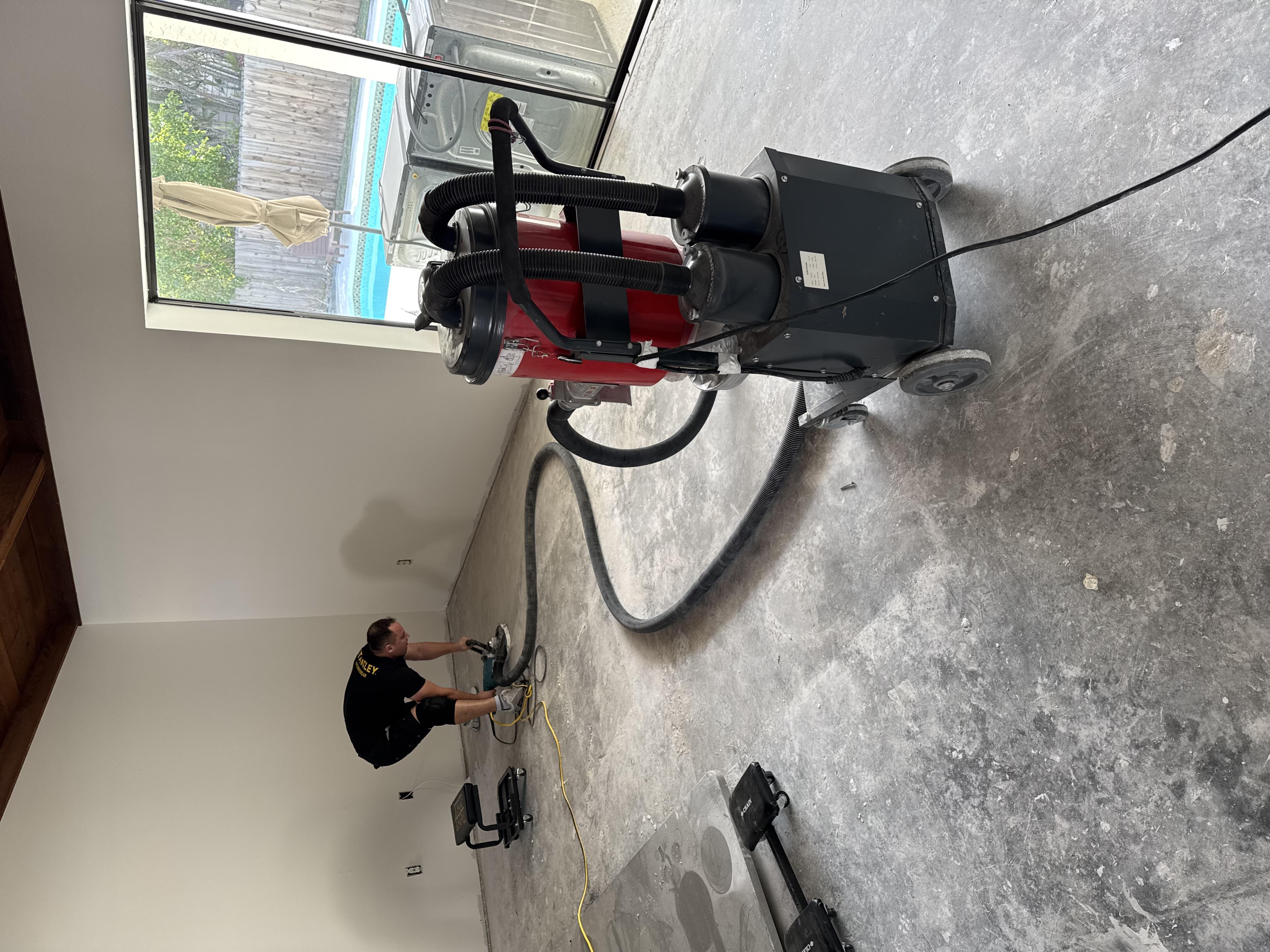
Concrete floor prep and grinding before flooring install in a Roseville, CA home
SPECIALTY · Arden Park

Stair Tread Replacement in Arden Park, CA

Arden Park's custom executive and mid-century modern homes typically feature statement staircases that anchor the main floor—and when you're replacing hardwood or upgrading to large-format tile downstairs, those stairs become visually jarring if left behind. Mak Floors fabricates and installs solid hardwood or LVP-clad treads, risers, and mitered returns that extend your new flooring seamlessly up the staircase, maintaining the high-end finish these homes demand.

$90–$220 per tread installed
Price range
2–3 days per staircase
Install time
Lifetime
Lifespan
Lifetime
Warranty
Stair Tread Replacement in Arden Park
Free on-site quote, lifetime install warranty.
Prefer to call?(916) 342-4362

Why Stair Tread Replacement Works in Arden Park

Arden Park homeowners invest in custom hardwood or premium tile on the main floor, and stairs must match that quality standard—LVP-clad treads offer durability and design flexibility without the cost of full solid hardwood on every step, while solid hardwood treads remain the preferred choice for homes prioritizing traditional aesthetics. Sacramento's standard valley climate (dry summers, mild winters) means minimal seasonal movement in most staircase substrates, but proper acclimation of hardwood treads before installation is still critical to prevent cupping or gaps.

Local installation considerations

1
Older mid-century homes in Arden Park often have narrower or steeper staircase geometry—custom mitered returns and riser heights must be precisely measured and fabricated to match both the new main-floor material and the home's existing stair proportions.
2
Large-lot custom homes frequently feature open-plan layouts where the staircase is a visual centerpiece; stair treads and risers need grain-matching or pattern-matching that extends the design intent of the main floor, not just functional coverage.
3
Hardwood tread installation on older stair substrates requires substrate assessment—many Arden Park homes have solid wood or plywood stringers that may need reinforcement or shimming to ensure treads sit perfectly level and don't shift under foot traffic.

About Stair Tread Replacement

Solid hardwood treads deliver authentic grain continuity and unmatched durability on high-traffic stairs, but only if your staircase is stable and your home's moisture is controlled—which they are, here in the Valley. LVP-clad treads give you the look of wood with superior scratch and dent resistance on stairs where kids, pets, and heavy foot traffic are facts of life. Cheap generic stair nosing from big-box retailers won't match your new floor's color or species, won't be fabricated to your exact tread width, and will squeak within months—custom treads from Mak Floors solve all three problems at once.

Benefits for Arden Park homes

Matches new main-floor flooring
Solid hardwood or LVP options
Squeak-free guaranteed
Mitered return detail
Price range
$90–$220 per tread installed
Lifespan
Lifetime
Install time
2–3 days per staircase
Warranty
Lifetime installation warranty

Free Stair Tread Replacement Estimate in Arden Park

Tell us about your project. We schedule most Arden Park estimates within 48 hours.

Free, no-pressure on-site estimate
Written quote provided same visit
Lifetime installation warranty
CSLB licensed & insured
Prefer to call?
(916) 342-4362

Also Installing Stair Tread Replacement In

Other Flooring Services in Arden Park

Stair Tread Replacement FAQs — Arden Park

Why do hardwood stair treads squeak, and how does Mak Floors eliminate that? +
Squeaks happen when treads shift or flex against the stringers and risers beneath them—usually because they're fastened with surface screws that loosen over time, or because the sub-structure itself is slightly out of square. Mak Floors uses heavy-duty construction adhesive combined with countersunk fasteners and strategic blocking to lock each tread into place, then finishes with stain and polyurethane to seal the joints. On a properly executed installation, hardwood treads will not squeak under normal foot traffic, and we guarantee it for life.
Do hardwood stair treads need the same acclimation time as floor planks, and can my old staircase accept them? +
Yes—solid hardwood treads must acclimate for 7–14 days in your home before installation, just like flooring, so that the wood's moisture content matches the ambient humidity in Placer and Sacramento counties. Your existing staircase structure is critical: stringers must be straight, not warped or soft from past water damage, and the sub-structure must be solid underfoot with no flex when you jump on it. Mak Floors inspects your stairs before quoting; if the substructure is compromised, we'll recommend LVP-clad treads or repairs first, because even perfect treads can't save a moving staircase.
Why is a custom-fabricated tread worth $90–$220 per step when I can buy stock treads for half the price? +
Stock treads are made to generic widths and species, so they rarely match your new floor's exact color, grain pattern, or species—and they almost never fit your tread depth perfectly, forcing gaps or overhangs that look cheap and catch toes. Mak Floors custom-fabricates each tread to your exact staircase dimensions and finishes them on-site to match your new flooring's stain and sheen, so the eye reads the stairs as a seamless extension of your floor. That precision, plus mitered returns, squeak-free installation, and our lifetime warranty, justifies the investment: you're paying for a staircase that looks built-in and lasts 20+ years, not a retrofit.
How long do hardwood treads actually last, and what maintenance do they need? +
A properly installed solid hardwood tread will outlast the polyurethane finish—usually 8–12 years under heavy household traffic before the sheen dulls or light scratches appear. The wood itself easily lasts 25–30 years or more if the substructure remains dry and stable; refinishing a tread is straightforward and far cheaper than replacing it. Maintenance is simple: vacuum or dry-mop weekly, wipe spills immediately, and avoid excess water (especially on the nosing, where moisture seeps into end-grain). LVP-clad treads skip refinishing entirely and show virtually no wear for 15+ years even under pet traffic.
Do stair treads perform differently in the Sacramento Valley's dry summers and humid winters, and what's the best material choice? +
Hardwood treads experience the most seasonal wood movement in winter when humidity spikes—which is why acclimation and a stable staircase structure matter so much here; a poorly acclimated tread can cup or gap in January and January alone. LVP-clad treads are dimensionally stable year-round and are often the smarter choice in older Roseville and Placer County homes with seasonal moisture swings or homes near the American River where humidity creeps up in winter. Most clients in the Valley choose hardwood treads if they have a tight, dry home and a solid staircase; LVP if the home is older, if there are pets or young kids, or if the staircase shows any flex.