LIVE
Booking estimates this week · (916) 342-4362
HomeServicesTravertineWest Sacramento
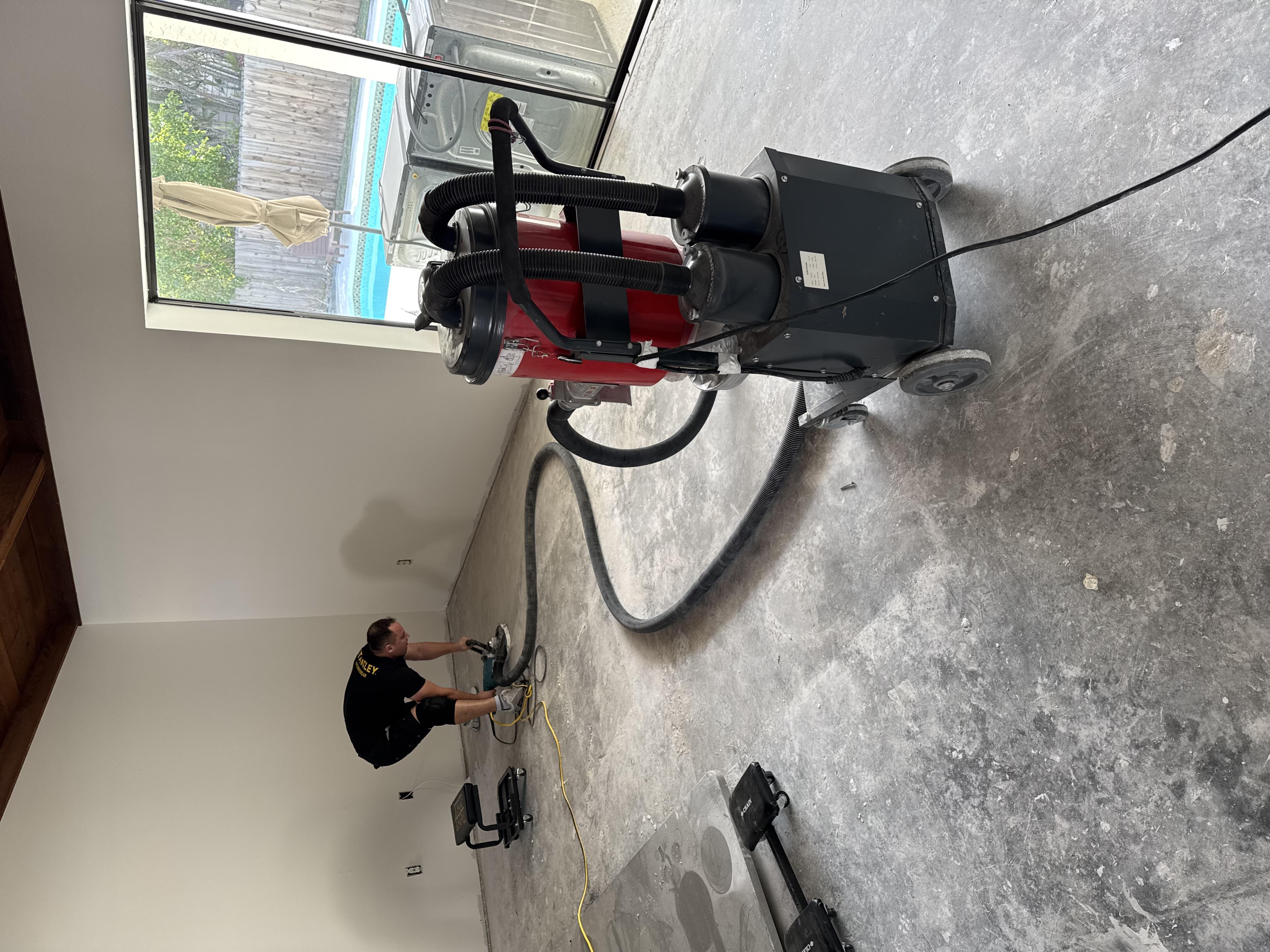
Concrete floor prep and grinding before flooring install in a Roseville, CA home
TILE · West Sacramento

Travertine Tile Installation in West Sacramento, CA

West Sacramento's mix of restored historic homes and new Bridge District lofts creates demand for travertine that balances authentic charm with modern durability. Travertine's warm, pitted surface fits the Mediterranean aesthetic that owners in Southport and revitalized older neighborhoods are actively pursuing, but the Delta climate's humidity and temperature swings require careful installation to prevent premature wear.

$13–$24 per sq ft installed
Price range
4–6 days for 1,000 sq ft
Install time
100+ years with sealing
Lifespan
Lifetime
Warranty
Travertine Tile Installation in West Sacramento
Free on-site quote, lifetime install warranty.
Prefer to call?(916) 342-4362

Why Travertine Works in West Sacramento

Travertine works well for West Sacramento's covered patios and formal entryways—especially in homes with existing Mediterranean or transitional design—but the slightly cooler, breezier Delta climate means moisture management is critical. Unlike dry inland regions, West Sac's proximity to the Sacramento River increases humidity, making proper sealing and drainage slopes essential during install to avoid water pooling and efflorescence on the stone's porous surface.

Local installation considerations

1
Substrate prep for older single-family homes and historic restorations must account for uneven or settling foundations; travertine's brittleness means shimming and leveling are non-negotiable before any mortar bed goes down.
2
Sealing timing is crucial in Delta humidity—we apply initial sealer before grout work and recommend a second seal coat within 48 hours to lock out moisture before winter fog and spring dampness arrive.
3
For West Sac's newer Southport and Bridge District installs, proper slope and drainage in patio applications prevent water from sitting on the stone; even slight deviations in grade can trap moisture and accelerate the need for resealing every 2–3 years rather than 3–5.

About Travertine

Choose travertine if you want a high-end natural stone that actually improves with age and won't look dated in fifteen years—manufactured tiles always feel cold and plastic by comparison. It's genuinely cooler underfoot than most alternatives, a real comfort in Sacramento summers, and it performs beautifully both indoors and on covered patios where moisture matters. If you're building a Mediterranean or Tuscan aesthetic and you're willing to commit to sealing every few years, travertine is the only material that delivers that authentic, lived-in elegance.

Benefits for West Sacramento homes

Natural stone character
Cool underfoot in summer
Each tile unique
Works indoor and outdoor
Price range
$13–$24 per sq ft installed
Lifespan
100+ years with sealing
Install time
4–6 days for 1,000 sq ft
Warranty
Lifetime installation warranty

Free Travertine Estimate in West Sacramento

Tell us about your project. We schedule most West Sacramento estimates within 48 hours.

Free, no-pressure on-site estimate
Written quote provided same visit
Lifetime installation warranty
CSLB licensed & insured
Prefer to call?
(916) 342-4362

Also Installing Travertine In

Other Flooring Services in West Sacramento

Travertine FAQs — West Sacramento

Why does my travertine have all these pits and holes, and will they trap dirt? +
Those pits are part of travertine's geological formation—they're what give it character and prove authenticity. When sealed properly, the sealer fills and protects those cavities so dirt and moisture can't penetrate deep. You'll want to avoid acidic cleaners (lemon, vinegar) that can etch the surface and damage the seal; stick with pH-neutral cleaners. The filled pits actually become easier to clean than you'd expect once sealed. Mak Floors applies a quality penetrating sealer on install and advises resealing every 2–3 years depending on foot traffic.
What kind of subfloor do I need for travertine tile, and does it need special prep? +
Travertine is heavy—roughly 13–15 lbs per square foot—so your subfloor must be solid, flat, and stable. Concrete slabs need to be tested for moisture; if moisture vapor is too high, travertine can fail prematurely. Wood subfloors need reinforced joists (16 inches on center or closer) and a cement backer board or uncoupling membrane to prevent flex and cracking. Mak Floors always performs moisture testing and subfloor inspection before installation. We'll recommend an uncoupling mat if we detect any movement or moisture risk; this adds cost but guarantees performance.
Is travertine more expensive than porcelain tile, and is it worth the cost difference? +
Travertine typically runs $13–$24 per square foot installed, which sits above basic porcelain but below high-end marble. The cost difference pays for authenticity: each tile is geologically unique, it develops a subtle patina instead of staying frozen in time, and it actually feels luxurious underfoot in ways porcelain fakes. Porcelain won't require periodic sealing, but travertine's longevity (100+ years with sealing) rivals or beats porcelain's value over decades. If budget is tight, porcelain is the practical choice; if you're building a home you'll live in for 20+ years and you value timeless character, travertine's premium is justified.
How often do I really need to reseal travertine, and what happens if I skip it? +
High-traffic areas and wet zones (bathrooms, kitchens) should be resealed every 2–3 years; lower-traffic formal entryways can stretch to every 4–5 years. The seal protects against water penetration, etching from acids, and staining. If you skip sealing, water absorbs into the porous stone, minerals deposit, and stains become permanent; acidic spills etch the surface irreversibly. Resealing is inexpensive compared to the cost of damage—roughly $1–$2 per square foot. Mak Floors provides resealing recommendations and can handle maintenance visits.
Will travertine work in my Sacramento home, or is it too much of a Mediterranean cliché? +
Travertine performs beautifully in the Sacramento Valley climate: it stays cooler underfoot during hot summers, and while we don't get freeze-thaw cycles like the Sierra, covered patios are an ideal use case. The key is honest design intent—travertine shines in Mediterranean or Tuscan-influenced homes, formal entryways, and resort-style outdoor spaces; it looks forced in modern minimalist or farmhouse-industrial settings. Many older Roseville and Placer County estates have the architectural bones to carry travertine authentically. Mak Floors will advise whether your home's style suits the material before we bid.